Clothes moths in Sydney
Holes in your favourite jumper? Sydney's humid climate gives clothes moths a long breeding season. Here's what to look for, where they hide in local homes, and how Jenkos stops them.
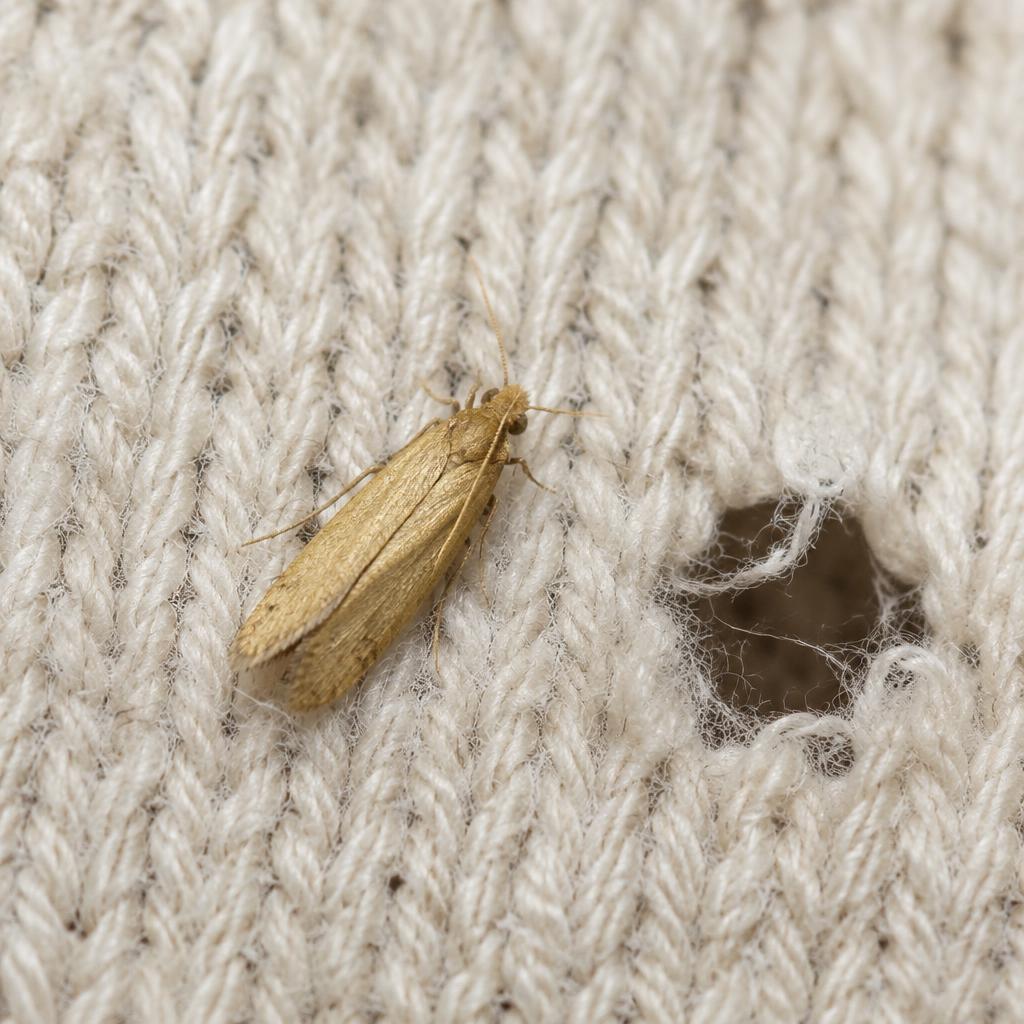
Why Sydney homes get clothes moths
The webbing clothes moth (Tineola bisselliella) and case-making clothes moth (Tinea pellionella) are found across Sydney. It's the larvae that do the damage — they feed on keratin in wool, silk, fur, feathers and felt, especially fabric with sweat or food residue. Warm, humid summers and homes that stay closed up for long periods give them exactly the quiet, dark spaces they need.
Signs you have clothes moths
- Irregular holes in wool jumpers, suits, cashmere and silk
- Small golden-buff moths that run or flutter away from light
- Silky webbing or small cases in drawer corners and on fabric
- Bald or thinning patches on wool rugs under furniture
- Damage in rarely used items — formal wear, blankets, stored winter clothes
Where they hide in Sydney homes
Built-in wardrobes
Dark, undisturbed and often against cool external walls — common in older homes across the Inner West and Eastern Suburbs.
Wool rugs & carpet edges
Larvae feed under sofas, beds and along skirting where vacuums don't reach.
Storage & spare rooms
Suitcases, blanket boxes and garages holding winter clothes through Sydney's warm months.
Rental turnovers
Moths left in carpets or cupboards between tenants — we work with property managers Sydney Wide.
When they're most active
In Sydney, moth activity usually rises from spring and peaks through summer into early autumn. Heated homes can see them year-round, so damage often turns up when winter clothes come out of storage.
How Jenkos treats clothes moths
We inspect wardrobes, drawers, rugs and storage to find where larvae are breeding, treat those areas directly, and give you simple cleaning and storage steps so they don't come back. Treatments are pet and child safe once dry.
Clothes moths or carpet beetles?
Both can damage natural-fibre fabrics, but they need to be identified correctly. Clothes moth larvae may leave silk webbing or portable cases. Carpet beetle larvae are hairy and may leave shed skins; adult beetles on windowsills can be a clue. Jenkos covers both in one Sydney fabric pest treatment.
Identification references: the Australian Museum’s case-bearing clothes moth guide and Australian carpet beetle guide.
Fabric pest treatment across Sydney
Based in Leppington NSW 2179, we provide a mobile service Sydney Wide. Include your suburb, the affected wardrobes or rooms, and your preferred timing in your enquiry.
Common questions
Why are clothes moths so common in Sydney?
Sydney's warm, humid months suit clothes moth larvae, which do best in dark, still, slightly damp spots like built-in wardrobes, under beds and rugs that rarely get moved.
When are clothes moths most active in Sydney?
Activity usually climbs from spring through late summer and early autumn, but in heated homes they can breed year-round.
Will mothballs fix the problem?
Mothballs and cedar may deter adults in a sealed space, but they rarely stop larvae already feeding in carpets, wardrobes and stored fabric. Finding and treating the breeding sites is what stops the damage.
Do you service my suburb?
Yes — Jenkos is based in Leppington and services Sydney Wide, from the Hills and Inner West to the Northern Beaches, Sutherland Shire and South West Sydney.